
SFINCIONE: AMAZING SICILIAN FOCACCIA
Discover the authentic taste of Sicilian cuisine with this recipe for Sfincione alla palermitana, a classic and flavorful focaccia that brings the flavors of Italy right into your kitchen!
This version of the beloved Sicilian street food offers all the rich, comforting flavors of tomato, caramelized onions, and oregano, layered on a soft, fluffy crust.
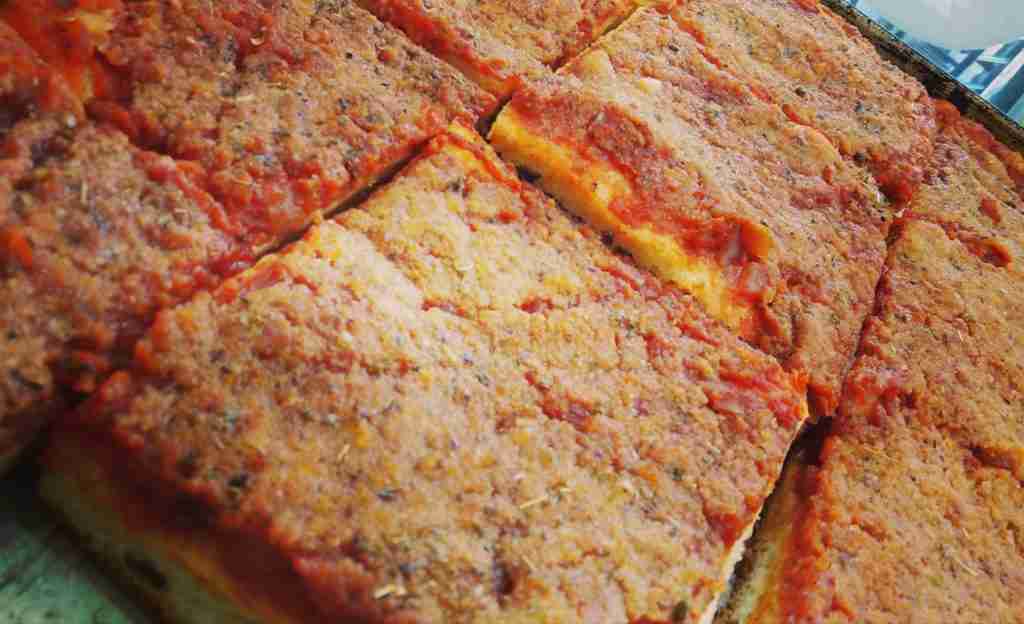
Authentic Sicilian Focaccia: Traditional Italian Bread
Sicilian focaccia is a testament to Italy’s rich culinary heritage, blending ancient traditions with locally sourced ingredients. This delightful bread, marked by a unique combination of textures and flavors, has been celebrated across Sicily for centuries, uniting locals over its distinctive taste and remarkable simplicity.
The Rich History of Sicilian Bread Making
Sicilian bread making dates back centuries, rooted in cultural practices that celebrate local ingredients and traditional techniques. Bread held a significant place in Sicilian society, representing nourishment and resilience amidst various historical transitions. Sicily’s distinct bread varieties have grown from these time-honored recipes, particularly the beloved Sicilian focaccia, or “sfincione.”
The Monastic Origins of Sfincione
Sfincione, a variation of Sicilian focaccia, is believed to have originated in monasteries, where monks and nuns perfected bread recipes as an offering to the communities they served. The original sfincione was a simple, hearty dish made from accessible ingredients that became a staple in both religious and domestic settings across Sicily.
Evolution Through the Centuries
Over centuries, sfincione evolved from a simple, spongy bread into the focaccia we recognize today. Influences from Arabic, Greek, and Spanish cuisine contributed to new techniques and toppings, and Sicilian focaccia became richer in flavors, textures, and variations, earning a place on both peasant and noble tables.
From Peasant Food to Royal Tables
Once known as humble food for Sicily’s lower classes, focaccia gradually gained popularity among nobility. Sicilian nobles began to favor this delicious bread for its versatility, serving it during feasts and special occasions. With this rise in popularity, regional variations emerged, each reflecting the ingredients and preferences of local communities.
What Makes Sicilian Focaccia Unique
Sicilian focaccia stands out from other Italian focaccias thanks to its airy, spongy texture and flavorful toppings. Unlike the simpler focaccias of northern Italy, Sicilian focaccia is thicker and heartier, with toppings that bring together local flavors like tomatoes, anchovies, oregano, and various cheeses. The balance between a soft interior and a slightly crisp crust makes it a beloved dish throughout the island.
Regional Varieties Across Sicily
Each Sicilian region has added its twist to focaccia, creating unique versions that reflect their local flavors and ingredients.
- Palermo’s Classic Sfincione: Palermo’s version is often topped with tomato sauce, onions, anchovies, and a sprinkle of breadcrumbs for extra crunch. This combination creates a savory, slightly sweet, and hearty bread that’s enjoyed by locals and visitors alike.
- Bagheria’s White Focaccia: The coastal town of Bagheria is known for its white focaccia, a variation that swaps tomato sauce for a mix of olive oil, rosemary, and cheese. It’s lighter and often features hints of garlic, making it a popular choice for those who prefer a subtler flavor.
- Messina’s Cheese-Topped Version: Messina, on the island’s northeastern coast, is famous for its cheese-covered focaccia. Here, focaccia is baked with generous amounts of cheese, making it a rich, comforting bread that showcases Sicily’s dairy traditions.
Essential Ingredients and Equipment
Creating authentic Sicilian focaccia starts with selecting the right ingredients and equipment. Here’s what you’ll need to achieve the perfect focaccia.
Traditional Dough Preparation Method
The heart of any good focaccia lies in its dough, and Sicilian focaccia is no exception. Start by choosing high-quality flour, ideally a blend of bread and semolina flours for a balance of structure and flavor.
- The Perfect Flour Blend: A 50-50 mix of bread and semolina flour yields a dough with the right elasticity and flavor. Semolina flour adds a nutty flavor and a slightly firmer texture to the bread.
- Yeast Activation Techniques: Using active dry yeast, dissolve it in warm water (around 110°F) to activate it. A small pinch of sugar can help feed the yeast, ensuring a quick, bubbly rise.
- Kneading and Resting Times: Kneading the dough thoroughly for at least 10-15 minutes helps develop the gluten. Let it rest and rise for 1-2 hours or until it has doubled in size, then gently punch it down to prepare for shaping.
The Art of Focaccia Toppings
Traditional Sicilian toppings are what set this focaccia apart. Classic toppings include sliced tomatoes, onions, anchovies, and fresh herbs like oregano. Arrange them generously on top of the dough, allowing the toppings to seep into the bread slightly as it bakes.
Baking Techniques and Temperature Control
Achieving a perfect Sicilian focaccia depends on baking it at the right temperature and in the ideal setup.
The Perfect Oven Setup
Preheat the oven to 475°F (245°C) with a baking stone or steel, if available, on the middle rack. This setup helps create a balanced, consistent heat that results in an ideal crust and fluffy interior.
Achieving the Ideal Crust
Before baking, drizzle the dough with olive oil, which aids in browning and crisping the edges. Bake for 15-20 minutes, rotating the pan halfway through for even baking. Keep an eye on the focaccia to prevent over-browning, adjusting the temperature as needed.
Storage and Serving Suggestions
Sicilian focaccia is best enjoyed fresh, but if you have leftovers, wrap them in foil and store them at room temperature for up to two days. Reheat in the oven at a low temperature to restore its crust and softness. Serve warm, as it highlights the rich flavors of the toppings.
Common Mistakes to Avoid
To achieve the best focaccia, avoid these common pitfalls:
- Under-kneading the Dough: This will result in a dense focaccia rather than the light, airy texture characteristic of Sicilian focaccia.
- Overloading Toppings: Keep toppings to a moderate amount so they don’t weigh down the dough and cause it to flatten.
- Skipping the Resting Periods: Allowing the dough to rise is essential for texture and flavor.
Conclusion
Authentic Sicilian focaccia is more than just bread—it’s a taste of Sicily’s culture, history, and traditions. From the monastic origins of sfincione to the diverse regional variations, Sicilian focaccia offers an incredible depth of flavor, texture, and satisfaction. Whether you’re enjoying Palermo’s tomato-topped sfincione or Messina’s cheese-rich version, each bite is a tribute to Sicily’s storied past and culinary creativity.
SERVINGS:6
INGREDIENTS:
For the dough:
- 3 ½ cups semolina flour
- 4 cups all-purpose flour
- 2 ½ cups warm water
- 2 tbsp sugar
- 3 tbsp olive oil
- 4 tsp salt
- 2 ¼ tsp active dry yeast (1 packet)
For the topping:
- 3 cups tomato puree or crushed tomatoes
- 4 cups sliced white or yellow onions
- ¾ cup breadcrumbs
- Olive oil for cooking
- 2 tsp dried oregano
- Salt and black pepper to taste
METHOD:
Prepare the dough:
Dissolve yeast in ½ cup warm water with 1 teaspoon sugar.
Let stand for about 10 minutes until fluffy.
In a large bowl, combine the two flours.
Make a well in the center and add the yeast mixture, remaining warm water, remaining sugar, and olive oil.
Start mixing, then add the salt.
Knead until the dough is smooth and elastic (about 5-10 minutes).
Cover the bowl with a damp cloth or plastic wrap and let rise in a warm place for about 2 hours, or until doubled in size.
Prepare the topping:
In a large skillet, sauté sliced onions in a little olive oil over low heat until soft and translucent, about 10 to 15 minutes.
Add the tomato puree to the onions and cook over low heat for another 20-30 minutes, stirring occasionally, until thickened.
Season with salt, pepper and a sprinkling of oregano.
In a separate frying pan, toast the breadcrumbs with a drizzle of olive oil until golden brown.
This will add a crunchy texture to the topping.
Assemble and bake:
Once the dough has risen, roll it out on a greased baking sheet (about 11×17 inches) to a thickness of about half an inch.
Spread the tomato and onion sauce evenly over the dough.
Sprinkle the toasted breadcrumbs evenly over the sauce, then another pinch of oregano.
Allow the assembled sfincione to rest for another 30 minutes to relax the dough before baking.
Preheat the oven to 425°F and bake for 25 to 30 minutes, until the edges are golden brown and the topping is slightly crispy.
Allow to cool slightly before cutting into squares and serving.
Tips
Flavor boost: If you want a little more depth to replace traditional cheese, try adding nutritional yeast or a sprinkling of vegan cheese.
Serving suggestion: Serve warm or at room temperature for maximum flavor.


